
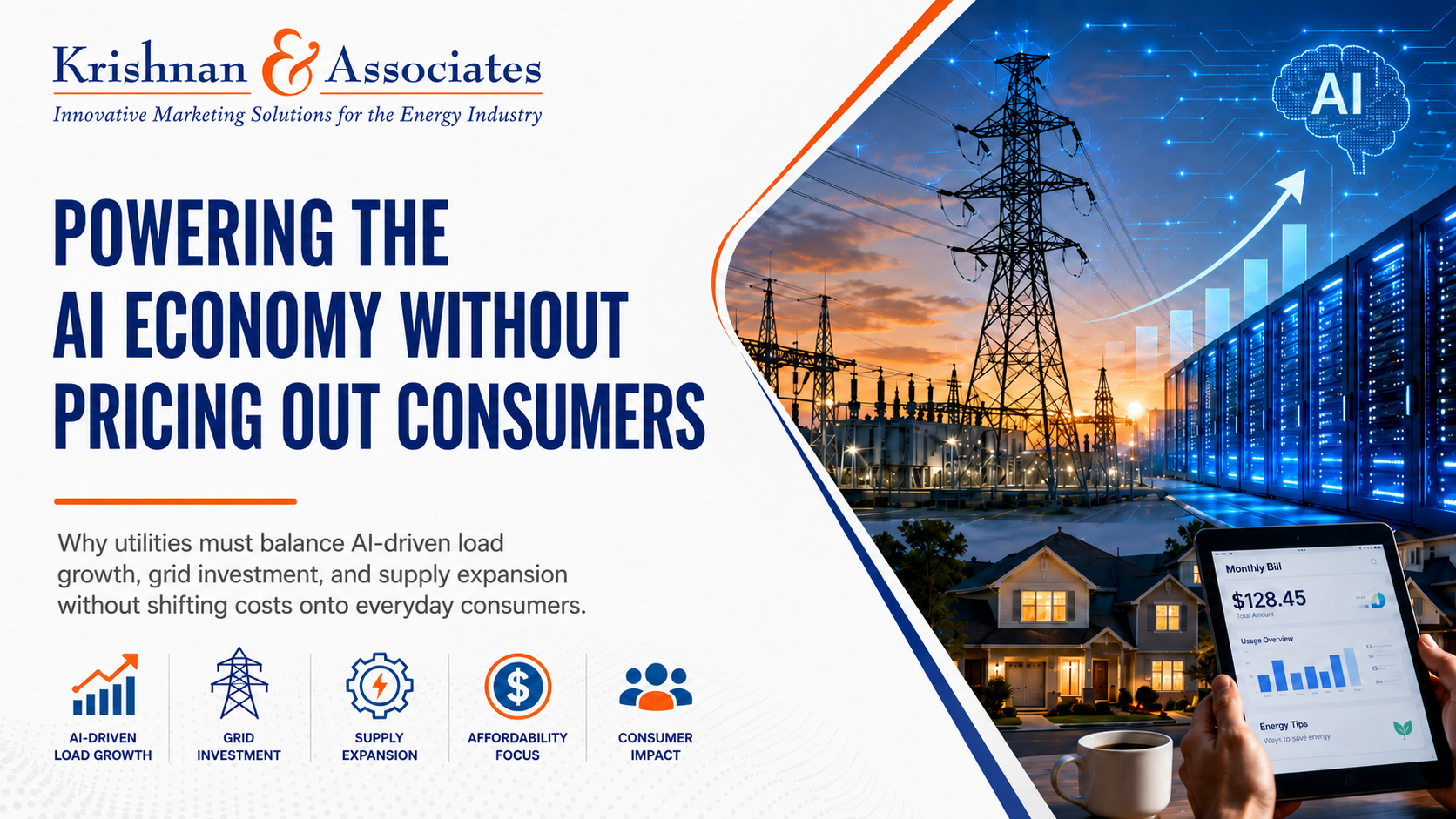
The opening leadership panel at the Reuters Global Energy Transition Forum set the tone for many of the conversations that followed, focusing on how utilities can keep pace with rapidly growing electricity demand while maintaining affordability and reliability.
Featuring executives from Exelon, Duke Energy, E.ON, Siemens Energy, and Hitachi Energy, the discussion explored the realities of planning for an increasingly electrified economy driven by AI, data centers, and industrial growth. While significant investment opportunities exist, the panel emphasized that expanding the grid will require more than capital alone—it will depend on faster execution, stronger partnerships, and modernized regulatory frameworks.
Throughout the discussion, one message remained consistent: solving tomorrow's energy challenges will require coordinated action across utilities, technology providers, regulators, and large energy users. As the industry prepares for a new era of electrification, collaboration and execution will be just as important as innovation.
Below are some of the key takeaways the Krishnan & Associates team identified from the discussion:
Key Takeaways
Affordability emerged as the industry's defining challenge. Calvin Butler emphasized that approximately 75% of recent customer bill increases are driven by rising energy supply costs rather than utility delivery charges.
Building new generation is essential. Panelists agreed that existing market structures are struggling to keep pace with demand driven by AI, electrification, and hyperscale data centers.
Data centers require new cost-allocation models. Utilities stressed that large-load customers should fund the infrastructure needed to serve them while protecting residential ratepayers.
Grid modernization remains a top priority. Exelon plans to invest more than $40 billion over four years to improve reliability, resilience, and system capacity.
Execution—not capital—is the industry's biggest bottleneck. Speakers cited permitting delays, supply chain constraints, workforce shortages, and long equipment lead times as the primary obstacles to infrastructure expansion.
AI is transforming both demand and operations. Digital twins, advanced forecasting, battery storage, and AI-driven grid optimization are becoming essential planning and operational tools.
Utilities are planning for unprecedented load growth. Gigawatt-scale data center projects are fundamentally changing resource planning and grid operations.
Long-term success will require collaboration. Utilities, regulators, OEMs, technology providers, and hyperscalers must work together to expand the grid while maintaining reliability and affordability.